Sunday, January 20, 2008

Solar island generates green power

A Swiss-designed artificial island is set to make its first appearance in the Gulf state of Ras al Khaimah, with the aim of providing a source of clean energy.

The project, a collaboration between Neuchâtel's Swiss Center for Electronics and Microtechnology (CSEM) and the local government, should be able to produce electricity and hydrogen using solar power. But according to Thomas Hinderling, the centre's director, solar energy will become a major power resource in the next 20 to 30 years and will be the leading form of renewable energy.

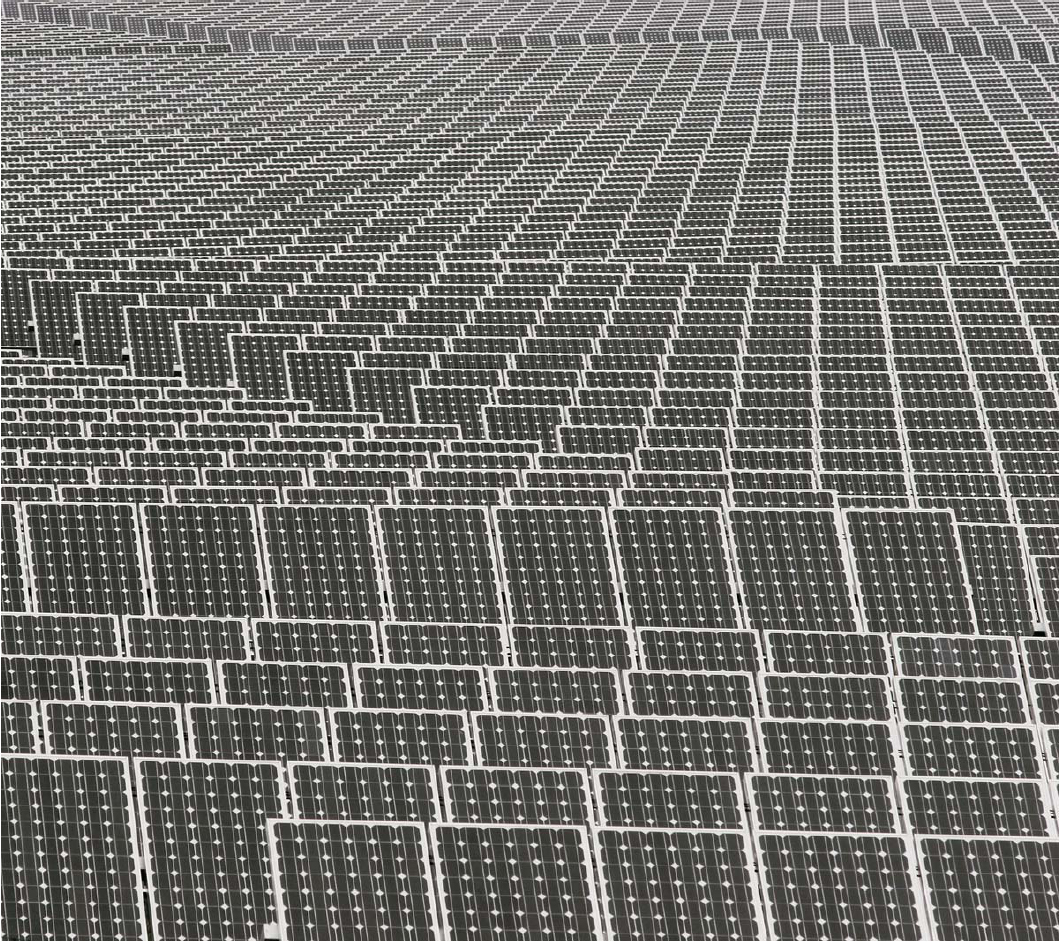
"A third of the world's future power needs could be covered by solar energy," Hinderling told swissinfo. "But to collect that energy, you need an array surface equivalent to 60 per cent the size of France." The solution proposed by the centre is to build artificial islands that can sit offshore, where surface is not a problem.
To cut costs, the usual solar panels would not be used, but rather a concentrator that heats water running through pipes. The steam is then used to generate electricity [and hydrogen]. More >>>

Power Switch

The New Energy Law Will Change Light Bulbs, Appliances and How We Save Electricity in the Home. Sunday, January 20, 2008

From light bulbs to clothes washers, the energy law passed by Congress and signed by President Bush in December will change many of the appliances in the average American home.
The incandescent light bulb, invented two centuries ago and perfected and popularized by Thomas Edison in the late 1800s, will become a thing of the past by the middle of the next decade.

The look of the future? The curvaceous compact fluorescent bulbs that recently have become popular and other bulbs featuring light-emitting diodes or other advanced technologies.
The energy law will also bring about important but less noticeable changes in the way clothes washers, dishwashers, boilers and dehumidifiers use energy and water.

The goal is to reduce U.S. electricity use, a major source of greenhouse gases that scientists say contribute to global climate change. Half of the nation's electricity generation comes from coal-fired plants, which emit carbon dioxide. Moreover, if households cut electricity used for lighting and appliances, it could become easier to introduce electric cars, which could cut oil use without creating the need for a massive, new electricity-generating investment. More >>>

Saturday, January 12, 2008

Ireland to ban low-efficiency light bulbs

Jan 10, 2008

Ireland is to ban the sale of traditional light bulbs from next year and promote the use of low-energy CFL bulbs, environment minister John Gormley said Thursday.

He said the switch will see Ireland lead the way in Europe -- just as it taken the lead with its ban on smoking in public places and its levy on plastic shopping bags.

"The ultimate aim of this measure is to increase energy efficiency in Irish homes and businesses by facilitating a move to energy efficient light bulbs," said Gormley, who leads Ireland's Green Party.

"Ultimately, it will lead to savings of more than 180 million euros (263 million dollars) a year for Irish consumers and reduce emissions in Ireland by 800,000 tonnes, or one percent of its total." More >>>

Wednesday, January 9, 2008

Switchgrass Ethanol Yields Large Net Energy Gain

LINCOLN, Nebraska, January 8, 2008 - (ENS) -

Switchgrass grown for biofuel production produced five times more energy than needed to grow, harvest and process it into cellulosic ethanol, finds a large farm study by researchers at the University of Nebraska-Lincoln published Monday.

The five year study also found greenhouse gas emissions from cellulosic ethanol made from switchgrass were 94 percent lower than estimated greenhouse gas emissions from gasoline production.

"This clearly demonstrates that switchgrass is not only energy efficient, but can be used in a renewable biofuel economy to reduce reliance of fossil fuels, reduce greenhouse gas emissions and enhance rural economies," said principal researcher Ken Vogel, a U.S. Department of Agriculture-Agricultural Research Service geneticist in the university's agronomy and horticulture department. More >>>

Monday, December 31, 2007

A Solar Grand Plan

31 December, 2007

S
cientific American


High prices for gasoline and home heating oil are here to stay. The U.S. is at war in the Middle East at least in part to protect its foreign oil interests. And as China, India and other nations rapidly increase their demand for fossil fuels, future fighting over energy looms large. In the meantime, power plants that burn coal, oil and natural gas, as well as vehicles everywhere, continue to pour millions of tons of pollutants and greenhouse gases into the atmosphere annually, threatening the planet.

Well-meaning scientists, engineers, economists and politicians have proposed various steps that could slightly reduce fossil-fuel use and emissions. These steps are not enough. The U.S. needs a bold plan to free itself from fossil fuels. Our analysis convinces us that a massive switch to solar power is the logical answer. More >>>

See article below for new developments in photovoltaic production technology. Editor

Thursday, December 27, 2007

Nanosolar’s Breakthrough - Solar Now Cheaper than Coal

November 23, 2007

Saturday, December 22, 2007

100-watt bulb set to be dimmed permanently

Congress this week passed legislation designed to boost energy efficiency and reduce greenhouse gas emissions. The measure raises fuel-efficiency for passenger vehicles to 35 miles per gallon (mpg) by 2020, up from 25 miles mpg now (the first such increase since 1975) and phases out 100-watt incandescent light bulbs by 2012. It also mandates that companies manufacture more energy efficient appliances, slap labels on TVs and computers specifying their energy consumption, and requires gasoline producers to quintuple the amount of ethanol and other biofuels in the fuel supply to 36 billion gallons by 2022. The Los Angeles Times reports that the 822-page bill, which passed after Democrats agreed to strip out a $21 billion tax increase to avoid a presidential veto, is expected to shave the nation's energy consumption by an estimated 7 percent and cut carbon dioxide emissions by 9 percent by 2030. Read More